
Air conditioning systems are essential for maintaining comfortable indoor environments, especially during hot weather. However, like any mechanical system, they can experience problems over time. By understanding common air conditioning issues and how to resolve them, you can extend the life of your unit and avoid costly repairs.
Common Air Conditioning Problems
- The air conditioner is running but not cooling effectively.
- Possible causes: clogged air filters, refrigerant leaks, or dirty condenser coils.
- The system fails to power on despite proper settings.
- Possible causes: tripped circuit breaker, faulty thermostat, or electrical issues.
- Water pooling near the unit or dripping from the AC.
- Possible causes: clogged condensate drain line or damaged pump.
- Grinding, banging, or hissing sounds from the system.
- Possible causes: loose components, debris in the fan blades, or refrigerant leaks.
Steps to Troubleshoot Air Conditioning Issues
- Ensure it is set to “cool” mode and has a temperature lower than your room’s current temperature.
- Replace batteries if applicable.
- Dirty filters restrict airflow and reduce efficiency.
- Clean reusable filters or replace disposable ones every 1–3 months.
- Check circuit breakers or fuses connected to your HVAC system.
- Look for loose connections in power cables.
- Ensure there is no debris (leaves, dirt) obstructing airflow around the outdoor condenser unit.
- Clean fins gently using a soft brush if needed.
- Low refrigerant levels indicate potential leaks that require professional attention.
- Signs include poor cooling performance and hissing sounds near refrigerant lines.
- Use a wet/dry vacuum or pipe cleaner to remove clogs from condensate drain lines.
- Flush it with vinegar solution periodically as a preventive measure.
Preventative Maintenance Tips
- Schedule annual professional maintenance checks.
- Keep outdoor units free from debris by trimming surrounding vegetation regularly.
- Replace air filters according to manufacturer recommendations.
- Monitor energy bills—unexplained increases could indicate inefficiencies in your system.
| Problem Type | Likely Cause | DIY Fix | Professional Help Needed? |
| Inadequate Cooling | Dirty filter | Clean/replace filter | If issue persists |
| Leaking Water | Clogged condensate drain | Clear blockage using a vacuum | Yes |
| Unusual Noises | Loose parts | Tighten screws if accessible | Yes |
| Not Turning On | Tripped breaker | Reset breaker | If electrical issue |
By following these troubleshooting steps and keeping up with maintenance tasks, you can resolve many common AC problems on your own while ensuring reliable operation throughout its lifespan.
Identifying When to Call an AC Service Company Manassas, VA for Urgent Air Conditioning Repairs
Air conditioning systems are essential for maintaining indoor comfort, particularly during the warmer months. However, like any mechanical system, air conditioners can develop issues over time. Being able to recognize when your AC unit requires immediate repair can prevent more significant and costly problems in the future. Below is a detailed guide to help you identify the signs that your air conditioner may need professional attention.
1. Warm Air Instead of Cool Air
- Low refrigerant levels due to leaks
- A faulty compressor
- Clogged or dirty air filters
- Issues with the thermostat settings
To troubleshoot this, start by ensuring that your thermostat is set to “cool” mode and verify it is set at the correct temperature. If this doesn’t resolve the issue, a professional HVAC technician should evaluate refrigerant levels or inspect for mechanical failures.
2. Insufficient Airflow
- A blocked or clogged air filter
- Blocked vents or duct obstructions
- Malfunctioning blower motor or fan belt
- Leaky ducts reducing efficiency
Installing a new filter and ensuring vents are unobstructed are simple steps you can take initially. For ductwork leaks or motor issues, contacting an expert is advised.
3. Unusual Noises During Operation
| Noise Type | Possible Cause | Recommended Action |
| Banging | Loose components in the system | Call an HVAC professional immediately |
| Screeching | Worn-out fan motor belt | Replace belt; consult a technician |
| Buzzing | Electrical issues (e.g., faulty wiring) | Turn off unit and contact an expert |
Ignoring abnormal sounds can lead to further damage if left unresolved.
4. Water Leaks Around the Unit
Moisture buildup around your AC system could mean there’s either a refrigerant leak (a serious issue) or issues with condensation drain lines being clogged. Refrigerant leaks not only reduce cooling efficiency but also pose health risks if inhaled over time.
- Check for visible cracks along condensate drain pipes.
- Clean out any clogs using compressed air if possible.
- If refrigerant is suspected as leaking—immediate repair from certified professionals should be prioritized.
5. Rising Energy Bills Without Increased Usage
- The unit might be working harder than usual due to inefficiency.
- Potential culprits include dirty filters blocking airflow, failing compressors making operation less effective, or aging components no longer functioning optimally.
Review maintenance schedules carefully—regular cleaning/servicing ensures operational efficiency while extending equipment lifespan too! Comparing monthly energy bills year-over-year highlights whether performance deteriorations exist unnoticed long term too!
Refrigerant Leaks: How to Identify and Fix Them Effectively
Refrigerant leaks are a common issue in air conditioning systems and can significantly impact the efficiency and functionality of your HVAC unit. This problem not only compromises cooling performance but can also lead to higher energy bills and potential environmental concerns if left unresolved. Below, we’ll outline how to identify refrigerant leaks, understand their causes, and address them effectively.
Signs of a Refrigerant Leak
- Poor Cooling Performance: If your AC is running but struggling to maintain a consistent temperature, a refrigerant leak might be the culprit.
- Higher Energy Bills: With insufficient refrigerant levels, your system works harder than necessary, leading to increased energy consumption.
- Unusual Hissing Sounds: A hissing or bubbling noise near the indoor or outdoor unit could indicate escaping refrigerant gas.
- Frozen Evaporator Coils: Low refrigerant levels reduce pressure within the system, often causing evaporator coils to freeze over.
- Warm Air Instead of Cool Air: If your AC blows warm air despite being set for cooling mode, it’s likely due to insufficient refrigerant circulating through the coils.
Causes of Refrigerant Leaks
- Corrosion on Coil Surfaces: Over time, formic acid or formaldehyde in the air reacts with copper coils causing tiny pinholes that lead to leaks.
- Improper Installation: Poor connections and improper brazing during installation may result in weak points in the system.
- Wear and Tear Over Time: Regular usage of older systems naturally contributes to minor cracks or punctures that release refrigerants.
- Physical Damage: External impacts on tubing or components during maintenance or accidental damage can create vulnerabilities.
Steps for Fixing Refrigerant Leaks
- Use an electronic leak detector for precision.
- Apply soapy water over suspected areas; bubbles will form at leakage points.
- Inspect visible parts such as fittings, connectors, and coil surfaces.
- For small leaks: Epoxy sealants or soldering techniques may temporarily address pinhole damage.
- For larger damage: Component replacement (e.g., tubing or coil assembly) may be necessary.
- After repairing the identified leaks, refill your unit with refrigerants according to manufacturer guidelines.
- Ensure proper vacuuming of the system before recharging it with fresh coolant.
- Run the AC unit under normal operating conditions while monitoring performance metrics like temperature differentials and pressure levels.
Preventive Measures Against Future Leaks
- Schedule regular inspections by certified HVAC technicians.
- Use anti-corrosion coatings on susceptible components such as copper coils.
- Address abnormal noises or performance inconsistencies immediately instead of delaying repairs.
- Keep filters clean as clogged filters place undue strain on internal components that could exacerbate wear-and-tear issues over time.
| Problem Indicator | Possible Cause | Recommended Action |
| Frozen evaporator coils | Low refrigerant pressure | Repair leak & recharge freon |
| Hissing noises | Line cracks/punctures | Locate & seal specific damages |
| Warm airflow | Insufficient coolant | Recharge after resolving leakage |
Maintaining proper refrigerant levels ensures peak performance efficiency while avoiding unnecessary costs associated with emergency breakdowns or long-term equipment degradation from neglectful upkeep practices.

Understanding Frozen Evaporator Coil Problems and Manassas AC Repair Solutions
Frozen evaporator coils are one of the most common issues homeowners face with their HVAC systems. This problem can lead to reduced cooling efficiency, higher energy bills, and potential damage to the system if left unresolved. Understanding the causes and identifying effective solutions can help you prevent future repairs and maintain optimal performance.
Causes of Frozen Evaporator Coils
- Restricted Airflow
Inadequate airflow prevents warm air from passing over the coils, leading to freezing. This may be caused by: - Dirty or clogged air filters
- Blocked vents or registers
- Obstructed ductwork
- Low Refrigerant Levels
Insufficient refrigerant reduces pressure in your system, causing the temperature of the evaporator coil to drop and freeze. This is often due to a leak in the refrigerant line. - Thermostat Settings or Malfunctions
Incorrect thermostat settings, especially if set too low, can cause prolonged cooling cycles that lead to freezing. Malfunctioning thermostats may also fail to regulate cycles properly. - Dirty Coils
Dust and debris on the evaporator coil act as insulation, disrupting heat transfer and causing ice buildup. - Mechanical Issues
Problems with components like a faulty blower fan or damaged blower motor limit airflow, leading to frozen coils.
Troubleshooting Frozen Evaporator Coil Problems
- Turn Off Your AC System Immediately
Running your AC with frozen coils can strain other components like the compressor. Switch it off immediately if you suspect freezing. - Inspect Air Filters
Check for dirty or clogged filters. Replace them if necessary—filters should typically be replaced every one to three months depending on usage and type. - Check Vents for Blockages
Ensure all supply vents are open and unobstructed by furniture or debris. - Look for Visible Ice on Coils
Open your indoor unit’s access panel (if safe) and check for accumulated ice on the coils. - Monitor Refrigerant Levels
If freezing persists despite clean filters and clear airflow, low refrigerant could be the culprit. A professional technician will need to measure levels using specialized tools.
Effective Solutions for Frozen Coils
| Cause | Solution |
| Restricted Airflow | Replace air filters regularly; ensure vents remain open |
| Low Refrigerant Levels | Repair leaks in refrigerant lines; recharge system |
| Thermostat Issues | Recalibrate or replace faulty thermostats |
| Dirty Coils | Professionally clean evaporator coils |
| Mechanical Failures | Repair or replace damaged components |
Preventative Maintenance Tips
- Schedule annual HVAC maintenance with a certified technician.
- Inspect air filters monthly during peak usage seasons.
- Keep vents free from obstructions like curtains or furniture.
- Monitor for unusual noises or performance changes in your system.
- Ensure that your thermostat is functioning correctly by testing its response at various temperature settings.
Addressing frozen evaporator coil problems promptly not only ensures efficient cooling but also prolongs the lifespan of your HVAC system while saving you from costly repairs later down the line.
Weak Airflow in Your HVAC System: Troubleshooting and Effective Solutions
Weak airflow is one of the most common HVAC system problems homeowners face. It can significantly affect your air conditioning unit’s performance, energy efficiency, and ability to maintain a comfortable indoor environment. Understanding the causes and solutions for weak airflow will help you address the issue effectively.
Common Causes of Weak Airflow
- Dirty or Clogged Air Filters
A clogged air filter blocks proper airflow, making it difficult for your HVAC system to circulate cool air. Over time, dust, dirt, and debris accumulate in the filter, reducing efficiency. - Obstructed or Leaky Ductwork
Weak airflow can result from blockages or leaks in the ductwork. Damaged ducts allow conditioned air to escape before reaching its destination. - Blower Motor Problems
The blower motor is responsible for pushing air through your HVAC system. If it’s malfunctioning or worn out, it might not generate enough force to circulate air properly. - Dirty Coils
Evaporator or condenser coils covered with dust and grime can hinder heat transfer, leading to reduced airflow. - Incorrectly Sized System
If your HVAC system is too small or too large for your home, it may not distribute air evenly throughout your space.
Steps to Troubleshoot Weak Airflow
- Check the Air Filter: Inspect filters monthly and replace them if they are dirty or clogged.
- Examine the Ducts: Look for visible damage or blockages like debris buildup. Seal any leaks with mastic sealant or aluminum tape.
- Listen to the Blower Motor: If you hear unusual noises like grinding or buzzing, call a professional technician to assess whether repairs are needed.
- Inspect the Air Vents: Ensure vents are open and unobstructed by furniture, curtains, or other objects.
- Evaluate Your System’s Size: Consult an HVAC professional to determine whether your unit is appropriately sized for your home’s square footage.
Solutions for Restoring Proper Airflow
| Issue | Solution |
| Dirty Air Filters | Replace filters every 1–3 months based on manufacturer recommendations. |
| Leaky Ducts | Seal leaks with tape; consider professional duct cleaning if needed. |
| Faulty Blower Motor | Schedule repairs with a licensed technician for replacement if required. |
| Dirty Evaporator Coils | Clean coils using coil cleaner; seek help if buildup persists. |
| Obstructed Vents | Rearrange furniture and remove coverings over vents for better flow. |
When to Call a Professional
- You’ve tried basic troubleshooting but still experience weak airflow.
- The problem worsens despite maintaining clean filters and open vents.
- There are signs of electrical issues (e.g., tripped breakers) related to blower operation.
Addressing weak airflow promptly prevents further strain on your AC unit and ensures optimal performance during peak seasons of use. With regular maintenance and timely repairs, you can extend the life of your system while maintaining indoor comfort levels year-round.
Thermostat Sensor Problems: Comprehensive Diagnosis and Repair Guide
A malfunctioning thermostat sensor can cause significant issues in the performance of your HVAC system. This small yet essential component plays a critical role in maintaining the desired indoor temperature by accurately measuring the air temperature near your system’s evaporator coil. If the thermostat sensor is not functioning correctly, it can lead to erratic behavior such as short cycling, uneven cooling, or a complete failure of your air conditioning system. Below is a guide to diagnosing and fixing common thermostat sensor problems effectively.
Signs of a Faulty Thermostat Sensor
- Inconsistent Temperatures: The air conditioner struggles to maintain the set temperature, resulting in fluctuating indoor comfort levels.
- Short Cycling: The AC repeatedly turns on and off without completing a full cooling cycle.
- System Won’t Turn On or Off: The air conditioner either refuses to start or won’t shut off when it should.
- Error Codes on Thermostat Display: For modern programmable thermostats, error codes may indicate sensor-related problems.
Causes of Thermostat Sensor Problems
- Incorrect Placement
If the sensor is too close to heat sources (e.g., windows, appliances) or away from airflow, it may give incorrect readings. - Wiring Issues
Damaged or disconnected wires between the thermostat and HVAC unit can disrupt communication. - Dust and Dirt Accumulation
Debris buildup on the sensor can interfere with its ability to detect temperature changes accurately. - Wear and Tear Over Time
Sensors naturally degrade with age, which may lead to reduced performance.
Steps for Diagnosing Thermostat Sensor Problems
- Inspect Placement
Ensure that the thermostat is installed in an area free from direct sunlight, drafts, or obstructive furniture. - Check Connections
Examine wiring connections at both ends (thermostat and HVAC unit) for signs of corrosion, fraying, or looseness. - Test Temperature Reading Accuracy
Compare the current room temperature displayed on your thermostat with an external thermometer placed nearby. - Inspect for Physical Damage
Look for visible wear on the sensor itself or any debris obstructing its surface.
Repairing Thermostat Sensor Issues
- Relocate Your Thermostat (if necessary)
Move it to a central location that accurately reflects room conditions without interference from external heat sources or airflow obstructions. - Repair Wiring Connections
Replace damaged wires or tighten loose connections using appropriate tools such as wire strippers and crimpers. - Clean the Sensor Surface
Gently wipe away accumulated dust using a microfiber cloth or compressed air. - Replace Faulty Sensors or Upgrade Thermostats
If cleaning and rewiring don’t resolve the issue, consider replacing old sensors—or upgrade entirely to a smart thermostat for better accuracy and added features like remote control via smartphone apps.
Preventive Measures
- Schedule regular maintenance checks with an HVAC professional.
- Keep sensors clean by integrating them into periodic household cleaning routines.
- Avoid tampering with wiring unless you’re experienced; seek professional help when needed.
- Opt for quality thermostats with reliable sensors when installing new units.
By addressing these factors proactively, you’ll ensure consistent comfort while extending the lifespan of both your HVAC system and its components effectively.
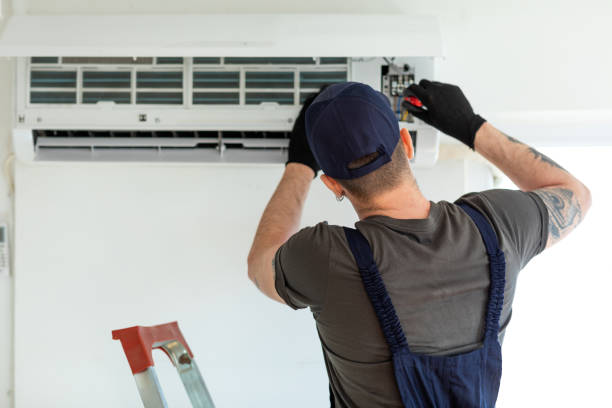
Common AC Issues and Solutions from a Trusted HVAC Company in Manassas, VA
When your air conditioning system refuses to turn on, it can be frustrating and uncomfortable, especially during the peak of summer. Fortunately, many of these issues are fairly common and can often be resolved without the need for professional assistance. Below, we’ll explore some reasons why your AC may not turn on and provide actionable steps to address them.
1. Check Your Thermostat Settings
Before jumping to conclusions about a serious problem, verify that your thermostat is set correctly.
- Ensure it’s powered on: If the thermostat has a digital display but isn’t lit up, you may need to replace the batteries or check its power supply.
- Confirm the mode: Make sure the thermostat is set to “Cool” mode, not “Heat” or “Off.”
- Adjust temperature settings: The target temperature should be lower than the current room temperature for cooling to activate.
2. Inspect the Circuit Breaker
Sometimes, an electrical issue might cause your air conditioner’s circuit breaker to trip.
- Locate your home’s breaker panel and look for any switches in the “Off” position or those that appear misaligned with others.
- Reset any tripped breakers by flipping them back into position.
- If the breaker trips again immediately after resetting, avoid further attempts and consult an HVAC technician as this could indicate an electrical fault.
3. Verify Power Supply to Your AC Unit
Your air conditioning system requires electrical power from multiple sources.
- Outdoor Unit (Condenser): Ensure that there is no disconnection at the outdoor unit’s power switch or fuse box.
- Indoor Unit (Blower): Check if there’s power going to your furnace or air handler.
- Safety Switches: Some systems include safety shutoff switches near drainage areas or panels—make sure these haven’t been triggered accidentally.
4. Examine Air Filters
A clogged filter can lead to airflow restrictions and even cause overheating in some units, which might prevent startup.
- Remove and inspect your filters for excessive dirt, dust buildup, or blockages.
- Replace disposable filters every 1-3 months depending on usage.
- Wash reusable filters thoroughly and allow them to dry before reinserting.
5. Investigate Refrigerant Levels
Low refrigerant levels could prevent your system from functioning altogether.
| Symptoms of Low Refrigerant | Possible Causes |
| Blowing warm air | Refrigerant leak in coils or lines |
| Ice buildup on coils | Insufficient refrigerant flow |
| Hissing noises | Small punctures allowing refrigerant escape |
Low refrigerant issues generally require professional servicing because handling refrigerants involves special tools and certifications.
6. Inspect Other Mechanical Components
- Capacitors: These small components help initiate motor startup; faulty ones may cause failure when turning on.
- Contactors: Burned-out contactors interrupt electric supply within circuits.
- Wiring Issues: Loose wires or corroded connections can disrupt communication between components.
These repairs typically require expertise beyond DIY methods but should still be considered during troubleshooting stages if initial checks don’t resolve issues.
When Professional Help Is Necessary
If all basic troubleshooting efforts fail—or if you notice signs like burning smells from components, frequent breaker trips, or unusual sounds during attempted startups—it’s time to contact a certified HVAC professional for diagnosis and repair services tailored specifically toward resolving these deeper mechanical problems efficiently without causing unintentional damage through amateur attempts at fixes yourself
Why Your AC Won’t Turn On: Common Issues and How to Address Them
When your air conditioning unit refuses to turn on, it can be both frustrating and uncomfortable, especially during the sweltering summer months. The problem could stem from a variety of causes. Below is a comprehensive guide to help you troubleshoot and resolve this issue effectively.
1. Check the Thermostat
The thermostat is often the first place to inspect when your AC won’t turn on.
- Ensure Proper Settings: Verify that your thermostat is set to “cool” mode, with the temperature set lower than the current room temperature.
- Dead Batteries: If you are using a battery-powered thermostat, check if the batteries need replacement. A blank or unresponsive display usually indicates this issue.
- Calibration Issues: An improperly calibrated thermostat might not correctly communicate with your AC system. If suspecting this, consult an HVAC technician for recalibration.
2. Inspect the Power Supply
Power-related issues are another common reason why an AC unit might not start up.
- Check Circuit Breakers: A tripped breaker can cut off power to your air conditioner. Reset any tripped breakers by switching them off and turning them back on again.
- Blown Fuses: Inspect fuses in both your electrical panel and any dedicated disconnect box near your outdoor unit.
- Loose Wiring: Loose or disconnected wiring within the system can lead to electrical failure. This should be handled by a professional electrician or HVAC technician.
3. Assess Air Filter Condition
A clogged air filter can restrict airflow, which may cause safety switches in your system to deactivate it entirely.
- Dirty filters strain the system and can lead to overheating.
- Replace filters if they appear dirty or clogged (usually every 1–3 months during high usage periods).
| Filter Type | Replacement Frequency |
| Disposable (Fiberglass) | Monthly |
| Pleated Filters | Every 3 Months |
| HEPA Filters | Semi-annually |
4. Test Your AC’s Capacitor
The capacitor is responsible for starting both the compressor and fans in an HVAC system.
- Signs of a Bad Capacitor:
- The outdoor fan does not spin.
- A humming noise coming from the outdoor unit without operation.
- Frequent short cycling (AC turns on/off rapidly).
- Replacing a capacitor requires technical expertise and should only be done by trained professionals.
5. Examine Safety Switches
Modern systems have built-in safety mechanisms that shut down operations when certain components malfunction.
- Condensate Overflow Switch: If water collects excessively in the drain pan due to a clogged condensate drain line, this switch may prevent operation until resolved.
- High/Low Pressure Switches: These switches protect against refrigerant pressure issues but will deactivate the system if triggered.
Preventative Maintenance Tips
- Schedule routine maintenance at least once per year with a licensed HVAC technician.
- Clean debris around your outdoor condenser unit regularly to ensure proper airflow.
- Test run your AC before peak seasons (summer) begin.
- Replace worn-out components such as capacitors preemptively when identified during inspections.
Taking these measures will prolong your air conditioning unit’s lifespan while ensuring consistent performance throughout its operational cycle. Always consult an experienced professional for persistent problems beyond basic troubleshooting steps described above when resolving complex issues related directly back toward reliability concerns overall for home comfort systems themselves respectively.
- Services You Can Expect from a Leading HVAC Company Manassas, VA
- Expert Tips for Air Conditioning Repair Manassas, VA: Troubleshooting Common Problems
- Signs Your Air Conditioner Needs Replacing: Expert Tips for Manassas AC Repair
- Top 10 Reasons Your AC System Breaks Down and When to Call for Air Conditioning Repair Manassas, VA
- Identifying When You Need Manassas AC Repair for Your Cooling System
- Expert Air Conditioning Repair Manassas, VA: Solving Common AC Problems Effectively
- Identifying the Most Common Signs That Your Manassas AC Repair is Urgently Needed